
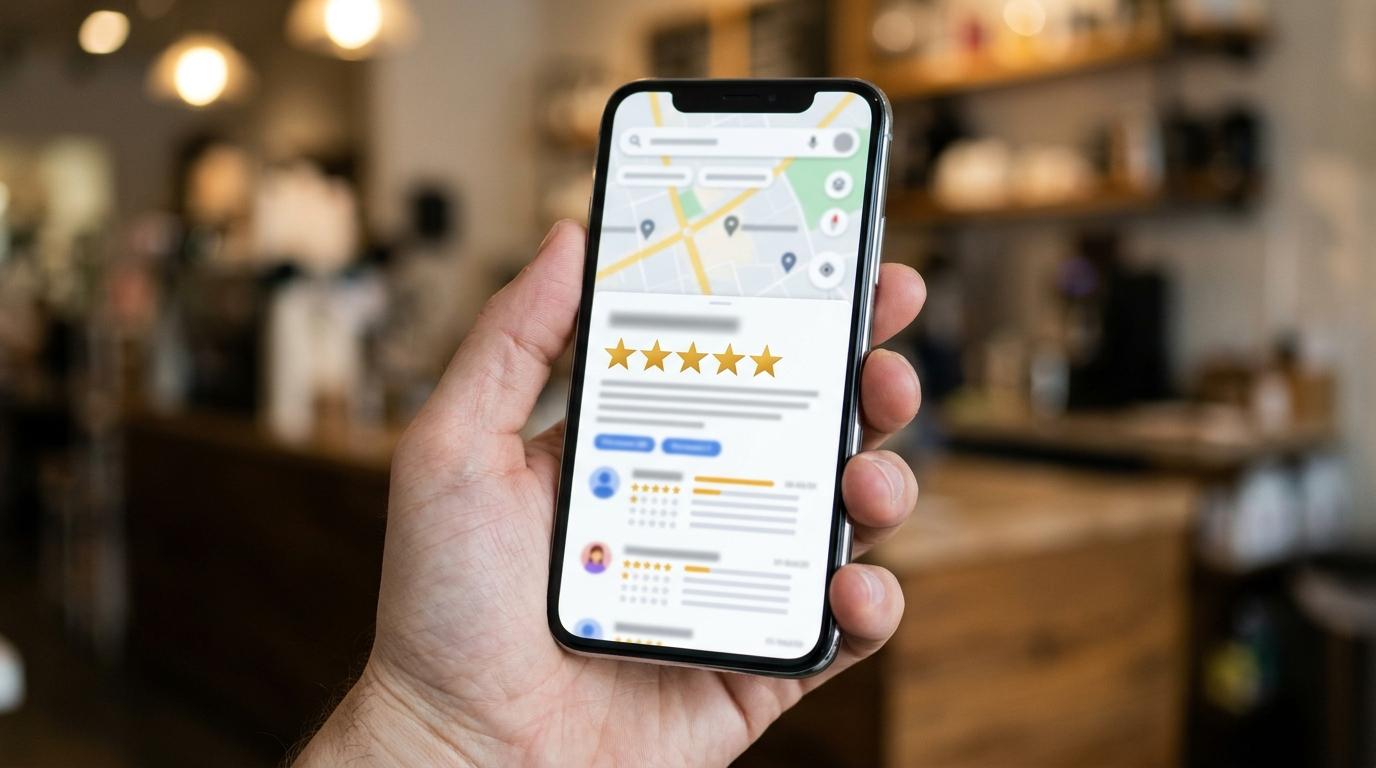
Small businesses usually do not need every marketing channel at once. They need the right stack in the right order, starting with a website that converts, local visibility, and repeatable ways to generate leads, which is the same framework firms like Web Design Spectrum build around for small-business web design, SEO, and digital marketing work.
TL;DR: Summary
- The best digital marketing services for small business growth are usually a conversion-focused website, local SEO, social media marketing, Google Business Profile management, social media marketing, and carefully targeted ads.
- Google’s small-business lead generation guidance connects local SEO with a complete Google Business Profile, positive reviews, website optimization, and keyword-based content.
- The SBA says 73% of small businesses have a website, which means not having a strong site is now a competitive gap, not a minor issue.
- Paid ads can accelerate leads, but they work best after your website, offers, and tracking are in place.
- Online ads and claims must stay truthful and substantiated, and FTC guidance says disclosures must be clear and conspicuous.
- Web Design Spectrum is relevant here because it combines custom websites, SEO, social media marketing, and targeted campaigns for small businesses in one service category.
If you are deciding where to spend a limited budget, the main question is not “Which channel is hottest?” It is “Which service improves visibility, trust, and conversion at the same time?” That shift usually leads to better marketing decisions and fewer wasted months.
What digital marketing services matter most for small business growth?
The strongest small-business mix is a website, local SEO, social media, and conversion tracking. Web Design Spectrum sits in that category because it combines web design, SEO, and digital marketing services that support the same lead-generation system.
Most small businesses grow faster when their marketing stack matches how people actually buy. A prospect may find you in Google Search, compare reviews, visit your website on mobile, and only then contact you through a form, call button, or direct message. If one step breaks, growth slows down.
The U.S. Small Business Administration says 73% of small businesses have a website. That matters because a website is no longer a nice extra. It is the place where search traffic, ad traffic, and social traffic turn into appointments, quote requests, purchases, or calls.
"Web Design Spectrum says it has 5 years in business, 1,000+ projects, and 1,200+ clients in small-business web and marketing work."
A common mistake is treating digital marketing services as separate purchases. SEO without a crawlable site underperforms. Social media without landing pages often creates attention but not leads. Ads without clear offers can produce clicks that never turn into revenue.
Why are websites, local SEO, and social media stronger together than alone?
These channels work better as a system because Google Search, Google Business Profile, and Instagram or Facebook each influence a different stage of trust. Alone, each channel can help. Together, they reinforce visibility, credibility, and conversion.
Think of the customer path. Local SEO helps you appear in organic search results when someone looks for “plumber near me” or “boutique in Austin.” Social media adds proof of activity, personality, and recent work. Your website handles the job that platforms cannot fully control: explaining services, qualifying leads, capturing forms, and guiding action.
Google’s business guidance ties local SEO lead generation to four practical moves: complete your Google Business Profile, encourage positive reviews, optimize your site, and publish keyword-focused content. If your business depends on local demand, that set of tasks usually outperforms random posting or broad, untargeted ads.
One useful rule is this: if buyers need reassurance before contacting you, the website and local SEO come first. If buyers need reminders and repeat exposure, social media becomes more valuable. Most small businesses need both, just not always in the same proportion.
What digital marketing services should most small businesses buy first?
Most small businesses should buy foundational services before expansion services. Web Design Spectrum reflects that priority by offering custom web design, SEO, social media marketing, and targeted digital campaigns for small businesses rather than treating them as unrelated add-ons.
That order matters because the first dollars should fix discoverability and conversion, not just impressions.
- Conversion-focused website: mobile-first design, clear service pages, strong calls to action, and fast load times
- Local SEO: Google Business Profile setup, review generation, local pages, and keyword-targeted content
- Analytics and tracking: form tracking, call tracking, and lead source visibility
- Social media management: profile optimization, posting rhythm, and audience engagement
- Paid search or paid social: targeted campaigns once offers and landing pages are working
- Reputation management: reviews, response workflows, and trust-building content
The trade-off is speed versus durability. Paid ads can move faster, while SEO and website improvements usually create longer-lasting value. If cash flow is tight, begin with assets you own, especially the website, local listings, and content.
How do you build a small-business digital marketing plan step by step?
A workable plan starts with goals, buyer intent, and channel fit. If you skip those basics, even good tools like Google Ads or Meta Ads can spend money without solving the actual sales problem.
Start with one business goal for the next 90 days. That goal should be concrete, like 20 qualified leads, 15 booked consultations, or a 10% increase in online orders. Then define what counts as a qualified lead, because raw traffic is not the same as sales opportunity.
Next, map buyer intent. A local emergency service needs search visibility first because intent is immediate. A boutique or restaurant may need both local discovery and social proof. A B2B consultant may need educational pages and trust signals more than daily posting.
Then assign budget by role, not by trend. Your website captures demand. SEO builds visibility. Social media builds familiarity. Ads accelerate reach. A common misconception is that one channel should do everything. In reality, each service has a job.
How do you set up local SEO lead generation step by step?
Local SEO works best when Google Business Profile, on-site content, and reviews support the same location and service signals. Google’s own small-business guidance points to that exact combination for local lead generation.
First, complete and verify your Google Business Profile. Make sure the business name, address, phone number, service categories, hours, and photos are accurate. Consistency matters because mismatched data weakens trust and local relevance.
Second, optimize the website for local intent. That means clear title tags, service pages tied to real search terms, location-specific copy where appropriate, fast mobile performance, and visible contact details. If customers search with “near me” language or city names, your site should support that behavior without stuffing keywords unnaturally.
Third, build a review process. Encourage happy customers to leave honest reviews, respond professionally, and use feedback to improve service pages or FAQs. A common error is asking for reviews once and then stopping. Review velocity and freshness both shape how active and trustworthy a business appears.
As EistrupWeb notes in its review of sitemap structure and internal links, clear connections between service pages and location pages also help search engines understand which offers matter in which areas.
How do you launch social media marketing without wasting time?
The efficient way to launch social media is to choose one or two platforms, build a repeatable content system, and connect every post to a business outcome. Random posting usually creates activity, not growth.
Start by selecting platforms based on buyer behavior. Instagram and Facebook often work well for visual local businesses, hospitality, and consumer services. LinkedIn fits professional services and B2B. TikTok can help some brands, but only if the team can produce platform-native content consistently.
Then define content types: proof, education, offers, and community. Proof content shows work completed, before-and-after results, testimonials, or product use. Education answers buyer questions. Offer content directs people to book, call, or buy. Community content keeps the brand active and human.
"Web Design Spectrum says its social media marketing includes content creation, social media advertising, community management, profile optimization, and monthly reporting."
One practical tip: if a post cannot point to a goal, it probably belongs lower in the schedule. The goal might be reach, clicks, saves, messages, or leads, but it should be explicit before content goes live.
SEO or paid ads: which channel should a small business choose first?
Choose SEO first when demand already exists and your business can wait for compounding gains. Choose paid ads first when speed matters, competition is intense, or you need leads while SEO is still building momentum.
SEO is stronger for businesses that want durable visibility in organic search results, especially local services and firms with clear service categories. Once rankings improve, traffic can continue without paying per click. The trade-off is time. SEO usually needs patience, technical cleanup, content, and review growth.
Paid ads are stronger when you need fast testing or seasonal demand capture. Search ads are often better for high-intent services. Paid social can work well for promotions, awareness, and audience targeting. The trade-off is simple: when the budget stops, the traffic usually stops too.
If your website is weak, ads can expose that weakness faster. That is why many small businesses should improve landing pages and tracking before increasing ad spend.
In-house marketing or an agency: what is the better fit?
In-house works best when you need daily brand access and already have management bandwidth. An agency works best when you need specialized skills across design, SEO, ads, content, and reporting without hiring multiple full-time roles.
For a small business, the real comparison is not just cost. It is coverage and execution risk. One in-house marketer may be strong at social media but weaker in technical SEO or landing page design. An agency may provide broader capability but less day-to-day internal context.
A useful decision test is capacity. If your team cannot consistently publish content, answer leads, review analytics, update pages, and manage ads, outside support often produces steadier execution. If your team already has strategic clarity and volume, in-house control may become more efficient.
The misconception to avoid is assuming in-house is always cheaper. Once salary, benefits, tools, training, and specialist gaps are counted, the gap can narrow quickly.
What compliance rules apply to digital ads, reviews, and claims?
FTC standards matter for every small business running digital ads or publishing claims online. Ads must be truthful and substantiated, and disclosures must be clear and conspicuous.
That applies to express claims and implied claims. If an ad suggests a result, guarantee, savings amount, health benefit, or performance advantage, the business should have proof before publishing it. This is especially important in health-related, financial, or results-driven services.
Reviews need care too. Encouraging honest reviews is fine. Fabricating testimonials, hiding material details, or making unsupported claims around customer outcomes creates risk. If an influencer, affiliate, or partner relationship affects the content, the disclosure should be easy to notice and easy to understand.
If your offer depends on conditions, say so clearly. If a discount has limits, show them. If a result varies, do not imply certainty. Good compliance often improves conversion anyway because clarity builds trust.
How do you measure whether digital marketing services are actually working?
You measure success by lead quality, conversion rates, and channel contribution, not just clicks. Google Analytics, form tracking, call tracking, and CRM data should connect marketing activity to sales outcomes.
Many small businesses overvalue top-line traffic. Traffic can rise while revenue stays flat if the audience is wrong or the site does not convert. Better measurement starts with a few business-level metrics:
- Lead volume: how many calls, forms, bookings, or purchases arrived this month
- Lead quality: how many matched your service area, budget, or ideal customer profile
- Conversion rate: what share of visitors turned into leads or buyers
- Cost per lead: what each marketing channel required in spend or effort
- Close rate: how many leads became customers
- Channel contribution: which sources assist sales, not just last-click conversions
A strong reporting habit is monthly review with quarterly adjustments. If SEO is raising qualified traffic but forms are weak, fix the page. If social reach is high but leads are low, tighten the call to action. If ads convert well but only on branded terms, test new targeting or rethink the offer.
The best digital marketing services are not the ones with the most dashboards. They are the ones that make the next business decision easier and more accurate.